The Old Way vs. The New Way
For the first ten years of Bitcoin, the price was simple. It moved based on people buying and selling coins on exchanges (Spot Market). If you wanted to predict the price, you looked at charts and technical analysis (TA).
That era is over. Today, the crypto market has matured. We have entered the "Derivatives Era," where options and futures markets—not spot buying—dictate the price. As the saying goes, "The tail is now wagging the dog."
The daily volume in Ethereum options and futures is now so massive that it overpowers regular trading. If you are only looking at a standard price chart, you are trading blind. You are seeing the result of the move, not the cause.
The Problem: The "Dark Matter" of Crypto
There is a hidden force moving the market that most retail traders can't see. We call it "Dark Matter."
This force consists of complex data points called "The Greeks" (mathematical measurements of risk). While institutional banks like Goldman Sachs have tools to see this "Dark Matter," the average crypto trader does not.
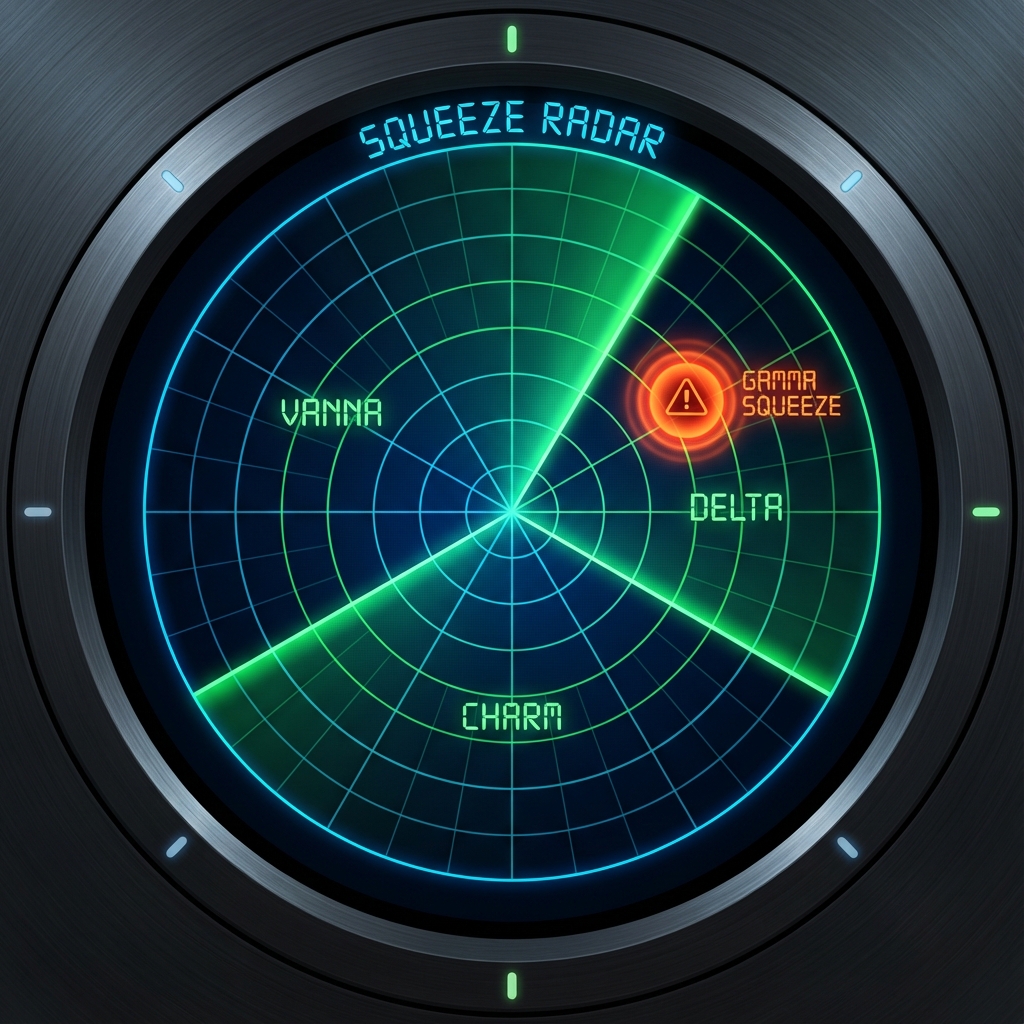
The Result: You see a sudden 10% crash on no news and get liquidated.
The Reality: That crash wasn't random; it was a "Gamma Squeeze" triggered by the options market.
BlockSkew's mission is to fix this. We are building the "Cockpit"—a dashboard that makes these invisible forces visible to everyone.
The 3 Forces You Need to Watch
To navigate this new market, you need to understand three concepts. We are building tools to visualize all of them:
1. The Magnet vs. The Accelerator (Gamma Exposure)
Market makers (Dealers) are the biggest players in crypto. They have to hedge their positions to avoid losing money. Their hedging creates two distinct market "regimes":
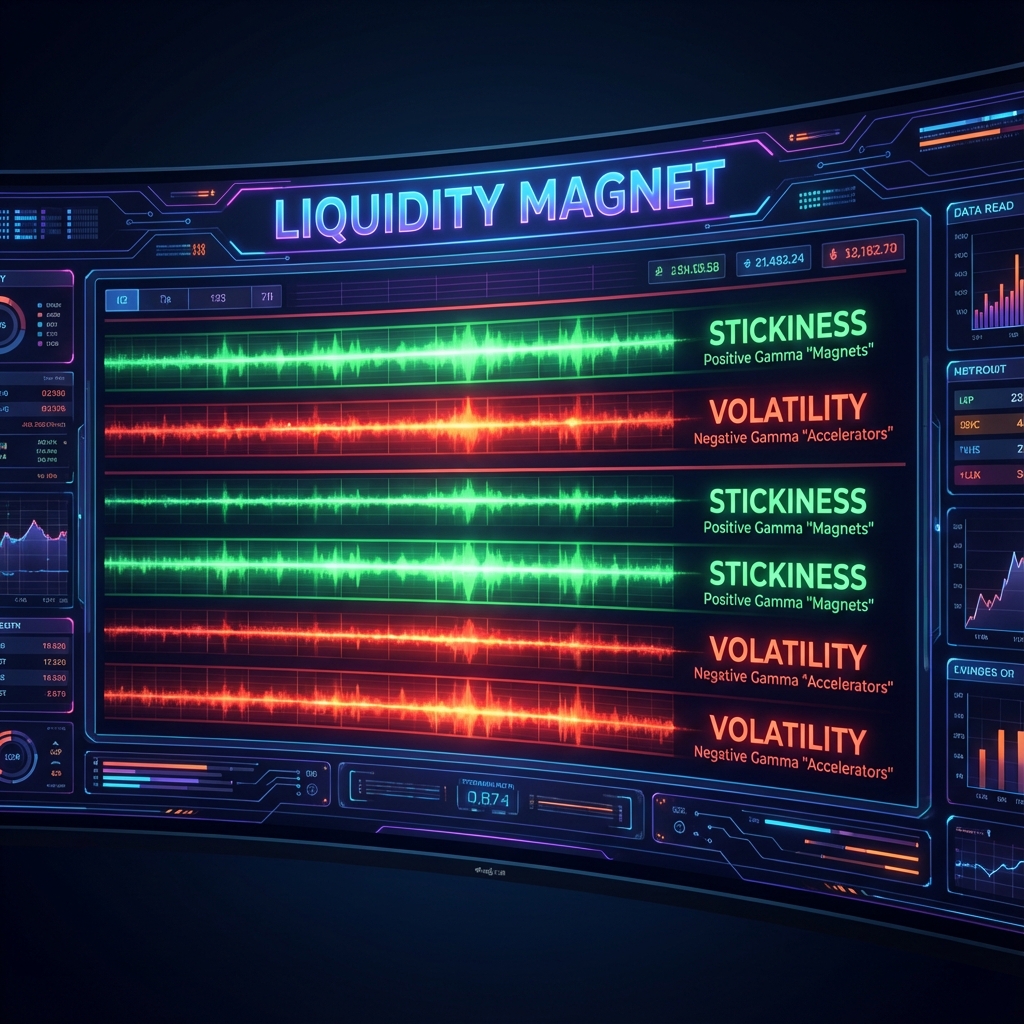
- The Magnet (Positive Gamma): When dealers are "Long Gamma," they trade against the trend. If Bitcoin drops, they buy. If it rallies, they sell. This pins the price in a range. Result: Low volatility, "chop" zones.
- The Accelerator (Negative Gamma): When dealers are "Short Gamma," they trade with the trend. If Bitcoin drops, they must sell more to protect themselves. This causes a "Flash Crash." Result: High volatility, explosive moves.
2. The "Insurance" Metric (VRP)
Think of options like car insurance. Sometimes insurance is cheap; sometimes it's wildly expensive. Volatility Risk Premium (VRP) tells you if option prices are "fair."
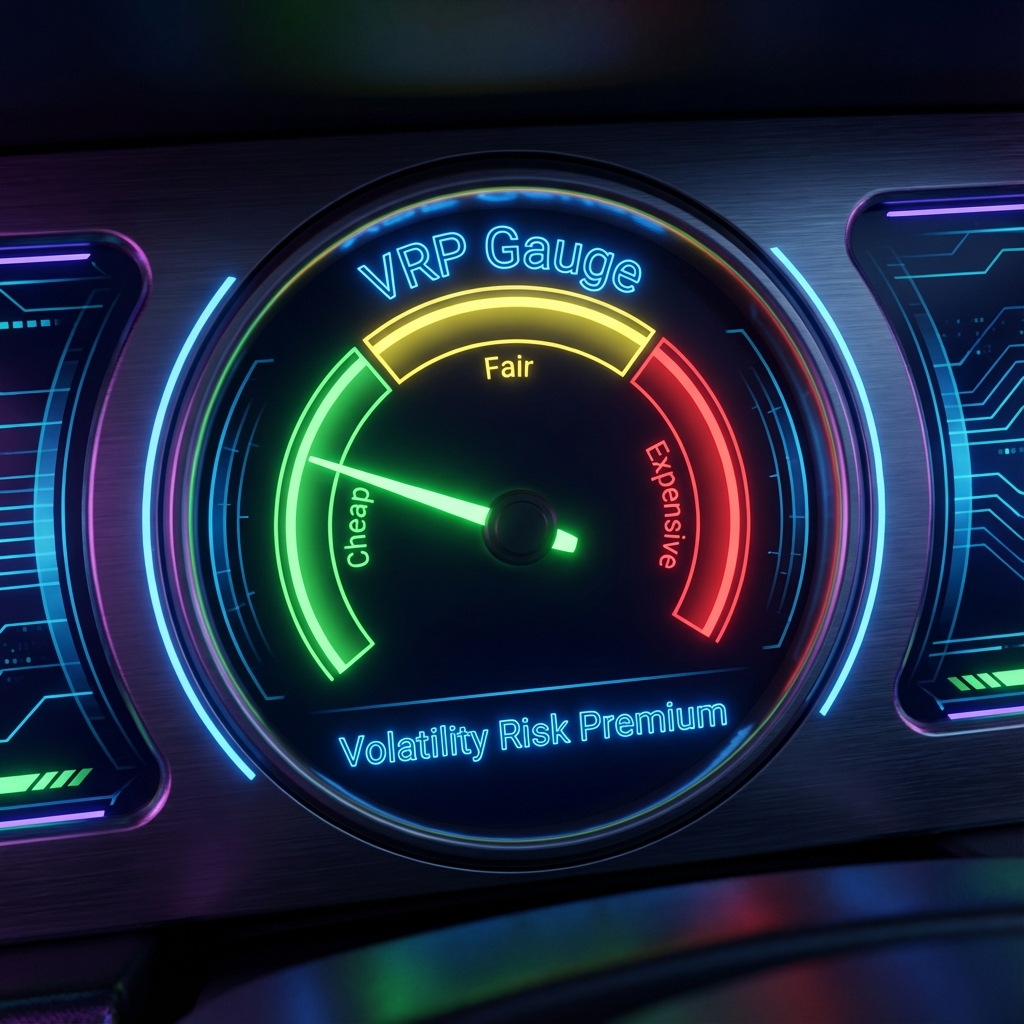
- If the market is panic-buying protection, VRP goes high. Smart traders sell this "expensive" insurance (Yield Farming).
- If the market is complacent, VRP goes low. Smart traders buy this "cheap" insurance for a potential big payout.
3. The "Invisible Hand" (Net Flow)
Not all volume is created equal. A lot of trading is just noise—bots trading against bots. Our tools filter out the noise to show you Net Buy/Sell Pressure.
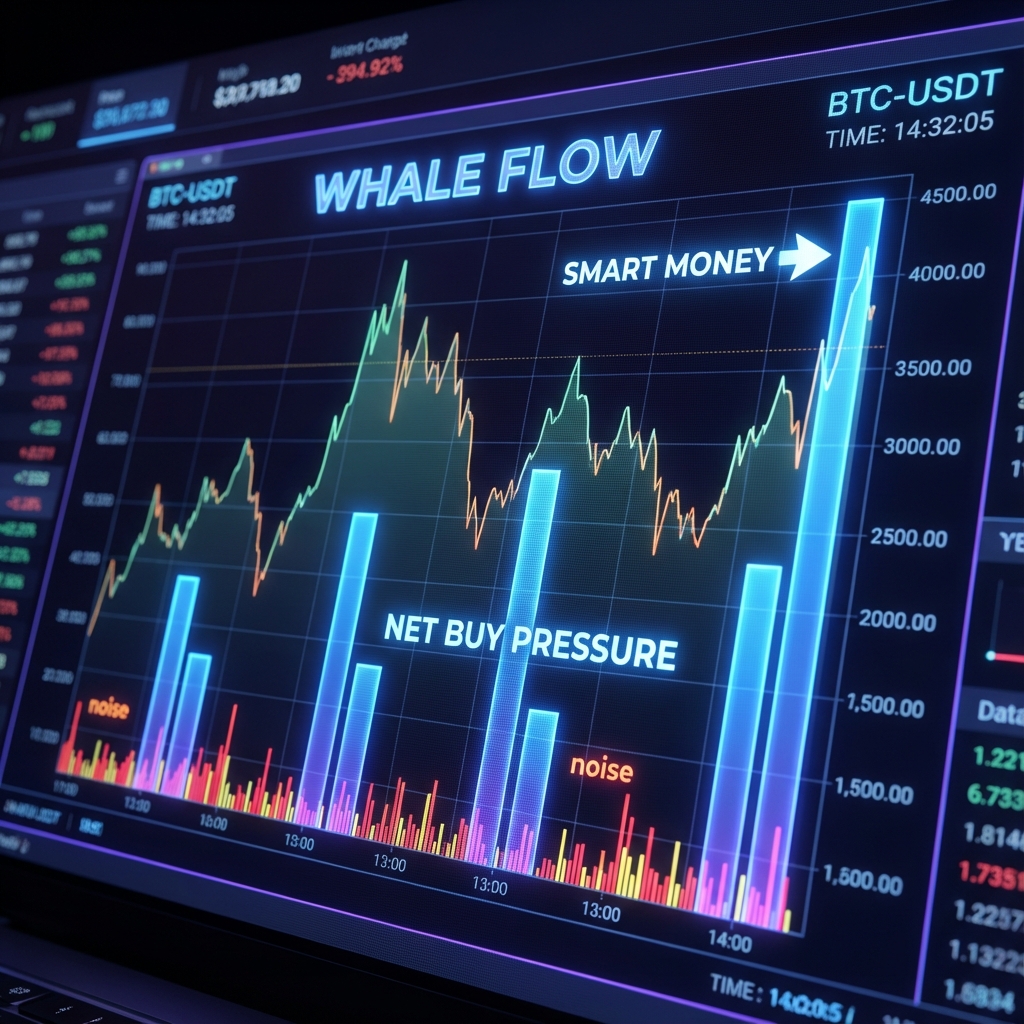
This shows you what the "Whales" are actually doing over the last 24 hours. Are they secretly loading up on Calls (betting price goes up) while the price is flat? That is your early warning signal.
Conclusion: Don't Fly Blind
The crypto market is no longer just about HODLing. It is a complex engine driven by leverage, options, and hedging. Traders who ignore derivatives data are like pilots flying into a storm without radar. They will be the liquidity that gets swept up. Traders who use BlockSkew are the ones in the Cockpit, spotting the storm before it hits.
Welcome to the new standard of market intelligence.