The New Baseline: Ethereum's Risk-Free Rate
In traditional finance, everything starts with the Treasury Bill. It's the "risk-free" rate—the return you can get with virtually zero risk. Every other investment is measured against it.
In Ethereum, that baseline is staking.
Right now, if you stake your ETH, you earn around 3.5% to 4.5% APR. You don't need to trade. You don't need to time the market. You just lock your ETH, validate the network, and collect rewards.
This changes everything for options traders.
The Opportunity Cost Problem
Here's the question that keeps option sellers up at night:
"Why would I sell a covered call for 2% annualized premium when I can stake my ETH for 4% risk-free?"
It doesn't make sense. And when something doesn't make sense in markets, prices adjust.
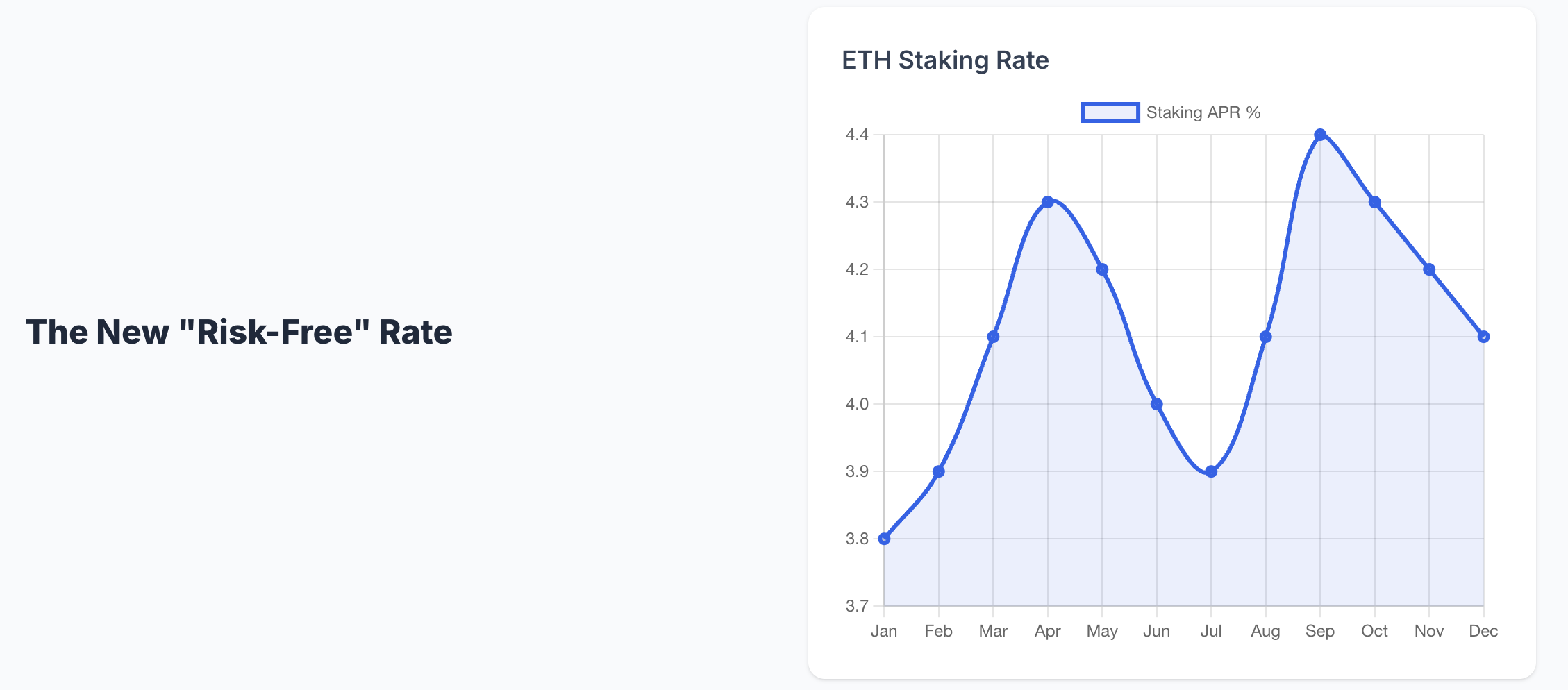
This chart shows the composite staking rate for Ethereum over the past 12 months. Notice how stable it is? That stability creates a floor under option premiums.
The Logic: Staking vs. Selling Options
Let's break down the two strategies:
Strategy A: Staking (The Safe Play)
You lock 32 ETH to run a validator (or stake any amount through a pool). You earn ~4% APR. Your principal is relatively safe—the main risks are slashing (if you mess up validation) or smart contract bugs.
This is considered the "baseline" safe trade in Ethereum.
Strategy B: Selling Covered Calls (The Risky Play)
You hold ETH and sell call options against it. You collect premium upfront, but you cap your upside. If ETH pumps 50%, you miss out on most of those gains.
This is riskier than staking because you're giving up potential upside.
So here's the problem: If the premium you collect from selling calls is less than the staking yield, you're taking more risk for less money.
That's irrational. And markets hate irrationality.
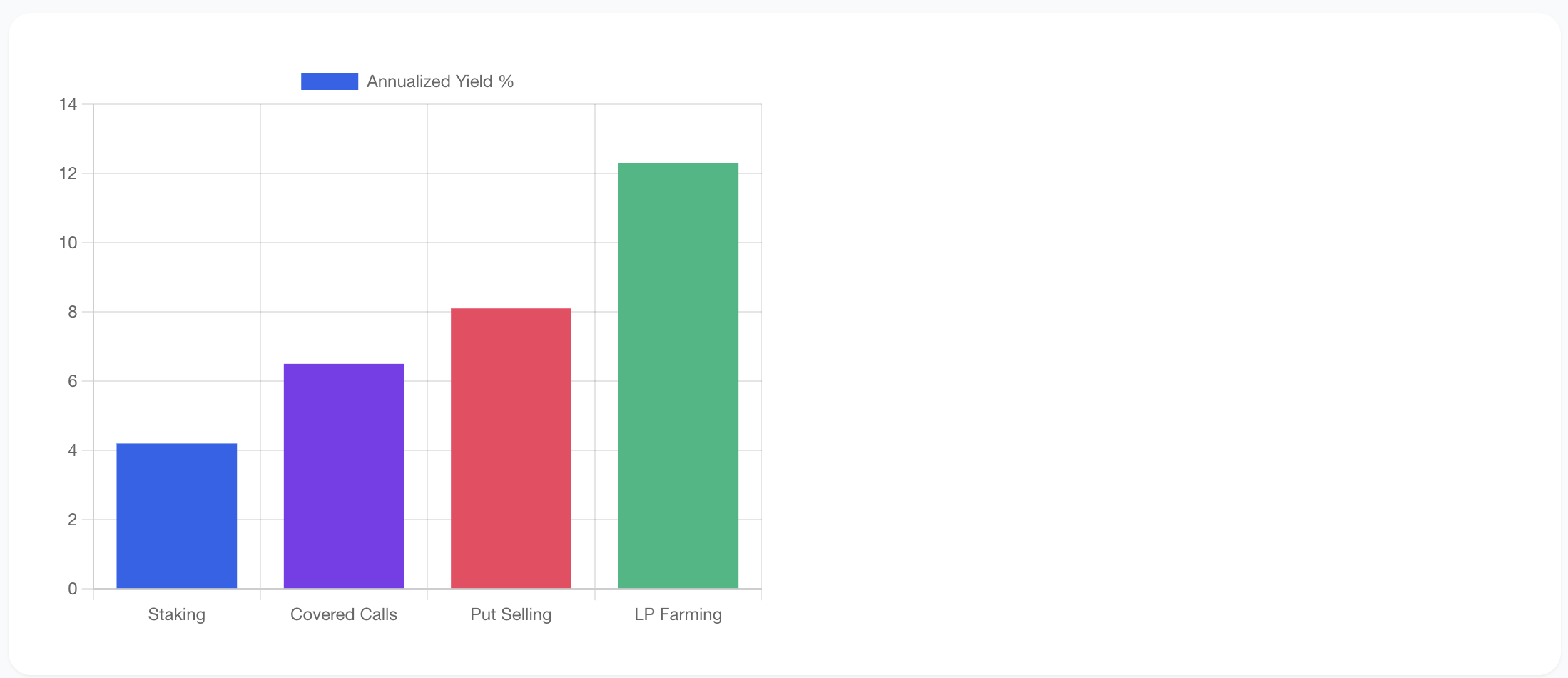
How the Yield Floor Works
Here's the mechanism, step by step:
Step 1: Staking Yields Rise
Network activity increases. More transactions mean higher rewards for validators. Staking APR climbs from 3% to 4.5%.
Step 2: Opportunity Cost Increases
Suddenly, holding ETH and staking it is more profitable. Traders who were selling options start to think: "Why am I capping my upside for 3% premium when I can stake for 4.5% risk-free?"
Step 3: Supply of Cheap Options Dries Up
Option sellers demand higher premiums to compensate for the opportunity cost. If you want to buy a call, you have to pay more.
Step 4: Implied Volatility Floor Rises
Higher premiums mean higher implied volatility. Even if the market isn't moving much, IV stays elevated because sellers won't accept low premiums.
This is the Yield Floor in action.
Real Market Evidence
We're seeing this play out right now.
Look at ETH's 30-day At-The-Money (ATM) Implied Volatility over the past 90 days:
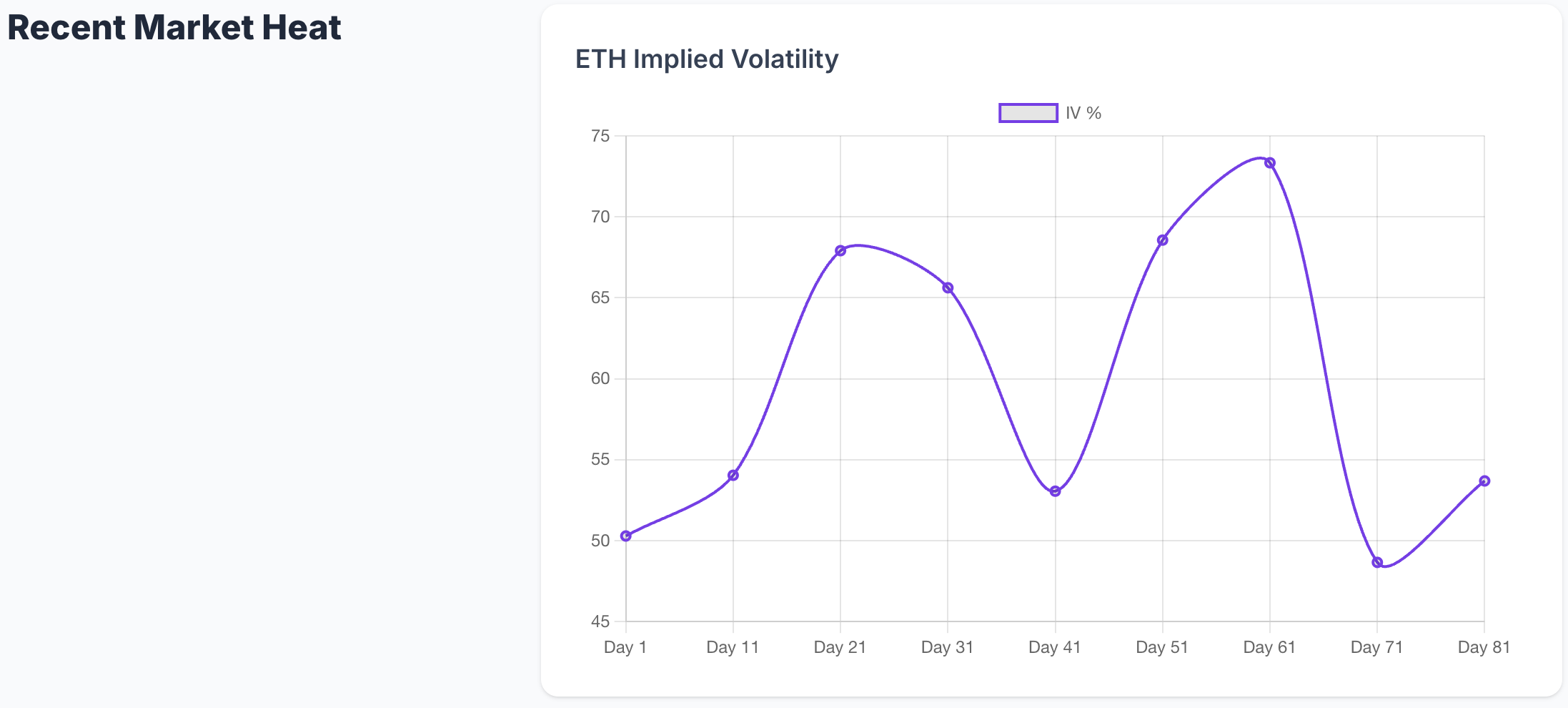
Notice something? Even during periods of low price movement, IV refuses to collapse back to bear market lows.
Why? Because the yield floor is holding it up. Sellers know they can earn 4% staking, so they won't sell options for less than that—adjusted for risk.
Where Is the Smart Money Positioning?
Traders aren't just buying random strikes. They're concentrating on specific areas that offer the best risk/reward.
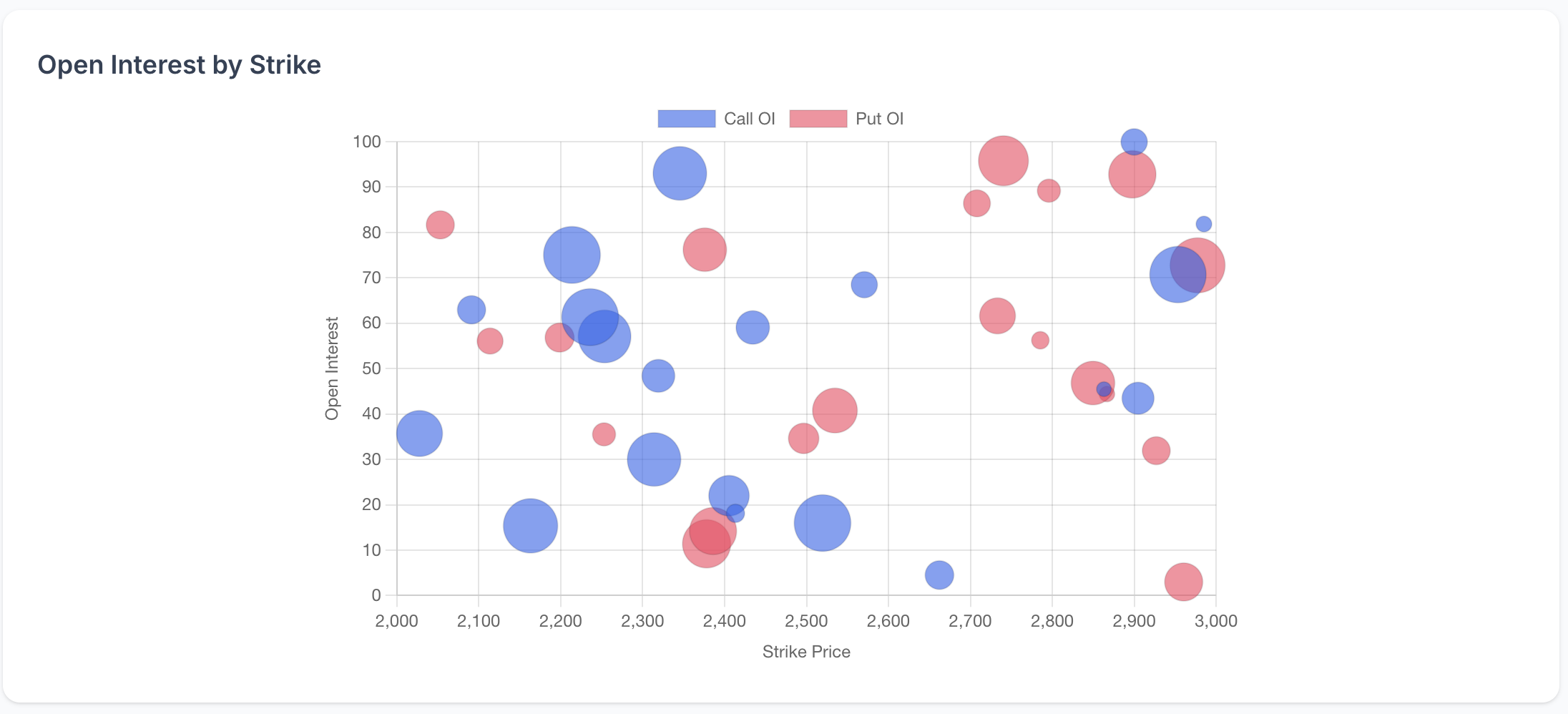
This bubble chart shows open interest volume by strike price. The size of each bubble represents the amount of capital positioned at that strike.
What do we see?
- Call concentration above spot: Traders are buying upside calls, betting on ETH breaking out.
- Put concentration below spot: Hedgers are buying downside protection, but not at extreme strikes—they're being selective.
The smart money isn't gambling on lottery tickets. They're positioning around strikes that offer convexity—asymmetric payoffs where a small move creates a big profit.
What This Means for Traders
If you're trading ETH options, you need to understand this dynamic.
1. Don't Expect Cheap Premiums
As long as staking yields stay elevated, option premiums will stay elevated. You can't just wait for IV to "collapse" like it did in 2022. The yield floor prevents that.
2. Adjust Your Strategies
If you're selling options, you need to price in the opportunity cost of staking. If you're buying options, you need to accept that you're paying a premium above historical norms.
3. Watch the Staking Rate
The staking rate is now a leading indicator for option pricing. If staking yields drop (due to lower network activity or more validators), option premiums will follow.
The Bigger Picture: DeFi Yield vs. Volatility Yield
This isn't just about options. It's about the fundamental tension in Ethereum between two types of yield:
DeFi Yield (Staking, Lending, LP Farming)
This is passive income. You lock capital, you earn a return. It's predictable, it's stable, and it's growing as Ethereum matures.
Volatility Yield (Options, Perps, Leverage)
This is active income. You take directional bets, you manage risk, you capture market moves. It's unpredictable, it's risky, and it requires skill.
The yield floor is where these two worlds collide.
As DeFi yields rise, volatility yields must rise to compete. Otherwise, capital flows out of options and into staking.
Why This Matters for Blockskew Users
At Blockskew, we track this dynamic in real-time.
We don't just show you implied volatility. We show you how it compares to the staking rate. We highlight when option premiums are mispriced relative to the opportunity cost.
Because here's the truth: Most traders are still pricing options like it's 2021.
They're not accounting for the fact that Ethereum now has a mature staking ecosystem. They're not adjusting for the yield floor.
And that creates opportunities.
The Opportunity: Arbitraging the Floor
Here's a simple strategy that sophisticated traders are using:
The "Yield Spread" Trade
- Stake ETH to earn 4% APR
- Sell far out-of-the-money calls against your staked position
- Collect premium on top of your staking yield
If the calls expire worthless (which they usually do), you've earned staking yield + option premium. If ETH pumps and your calls get exercised, you still made money—you just capped your upside.
This is a yield enhancement strategy. It's not sexy, but it's effective.
And it only works because of the yield floor. Without staking, this strategy wouldn't have a baseline return to build on.
The Future: What Happens When Staking Yields Drop?
Here's the big question: What happens if Ethereum's staking yield drops to 2%?
Simple: Option premiums will drop too.
The yield floor will lower. Sellers will accept smaller premiums because the opportunity cost is smaller. Implied volatility will compress.
This is why tracking the staking rate is so critical. It's not just a DeFi metric—it's an options pricing input.
The Brutal Truth
Most retail traders don't think about opportunity cost.
They see a 5% premium on a covered call and think "that's free money." But it's not free if you could earn 4% staking with zero risk.
The professionals understand this. They price in the yield floor. They adjust their strategies based on staking rates.
And that's why they consistently outperform.
The Blockskew Edge
At Blockskew, we're building tools to level the playing field.
We show you:
- Real-time staking rates across all major protocols
- Implied volatility vs. yield floor comparisons
- Mispriced options where premiums don't reflect opportunity cost
- Yield-enhanced strategies that combine staking + options
Because the future of crypto trading isn't just about predicting price. It's about understanding yield dynamics.
And in Ethereum, the yield floor is the foundation everything else is built on.
The Bottom Line
Ethereum's staking rate isn't just a DeFi metric. It's a structural force that shapes option pricing.
As long as staking yields stay elevated, option premiums will stay elevated. The yield floor prevents IV from collapsing.
If you're trading ETH options and you're not tracking the staking rate, you're flying blind.
The smart money knows this. Now you do too.